International workshop Measuring Resilience in Agri-Food Systems: Metrics, Methods and Policy Relevance
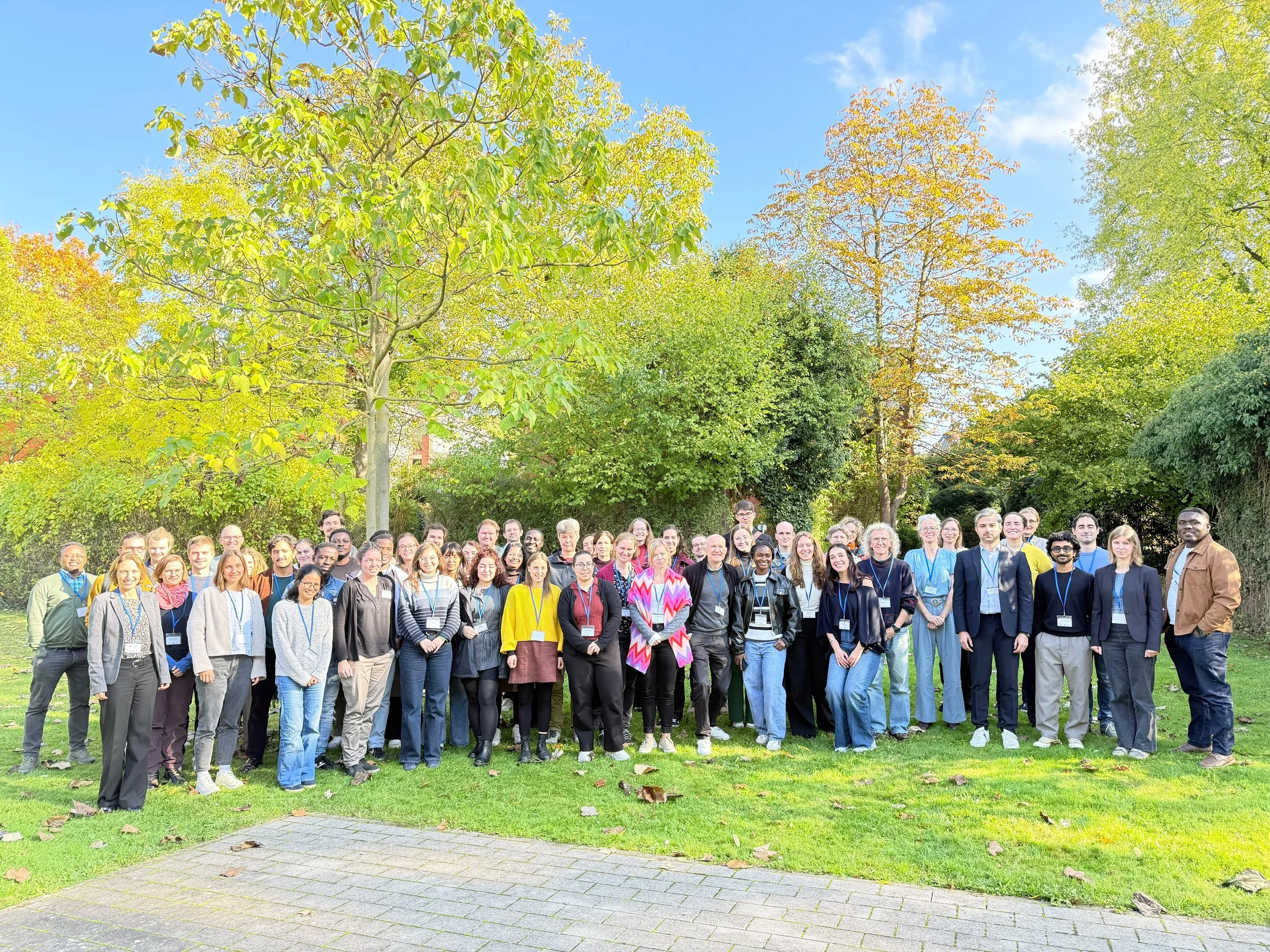
On October 20, the International workshop was held in Göttingen. Around 60 participants joined us for a full day of exchange on what defines a resilient agri-food system, how to capture its complexity in metrics, and how these can inform sustainability and policy decisions.
The day was built around three thematic areas, each opened by a keynote:
🔹 Peter Dannenberg addressed the difference between resilience and sustainability and the implications for measurement. Taking a value chain perspective, he highlighted the importance of clearly defined questions as the basis for identifying what should be measured and how.
🔹 Miranda Meuwissen focused on developing robust resilience metrics. Building on the importance of having a framework, she dug deeper into the ABCD resilience attributes: Agency, Buffers, Connectivity and Diversity.
🔹 Christophe Bene brought a crucial policy perspective, discussing what we need from a resilience metric to support effective policy advice, and highlighting the importance of understanding the mechanisms behind resilience.
In the afternoon, a World Café activity built on the same 3 themes, combining conceptual questions with real-world case studies. It sparked lively discussions and many interactions.
Personally, seeing a room full of people discussing how to measure agri-food system resilience was incredibly fulfilling. “Resilience” is everywhere: in research papers, in the news, in policy debates. Yet many open questions remain about what the term means and how to capture it with data. For one day, people asking themselves the same questions came together to discuss them. More than answers, the day produced new questions, connections and, hopefully, the foundation for a network that will bring more research and clarity to this topic.