How sustainable are sustainability standards? The case of Rwanda coffee farmers
Scroll ↓
My research
In my research, I examine how coffee market policies in Rwanda, in particular coffee price regulation and the zoning policy, affect farmers, and how VSS and cooperatives mediate these effects. I mainly use quantitative methods based on household survey data, and also apply mixed methods that combine survey data with qualitative insights from semi-structured interviews.
Fieldwork
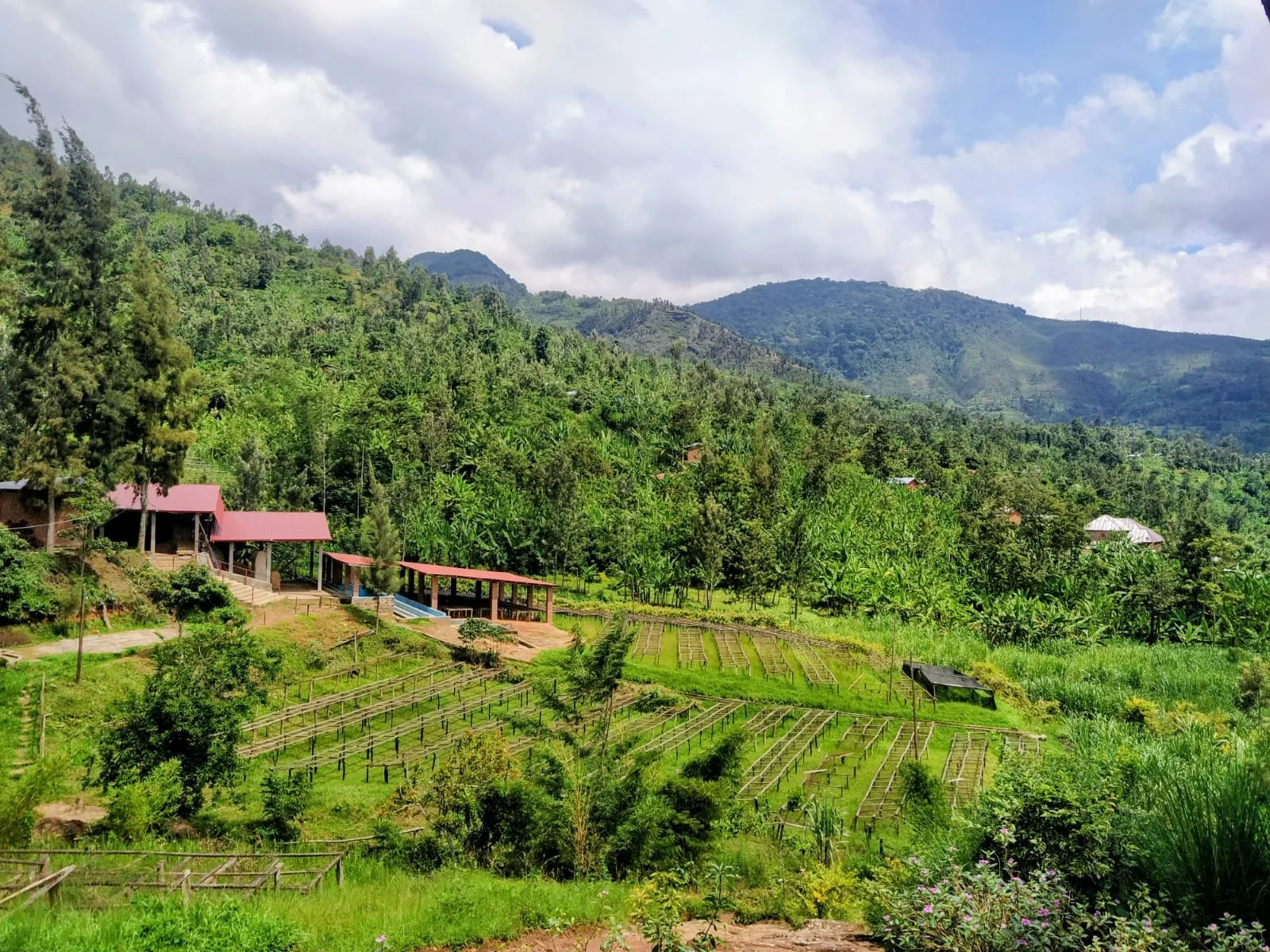
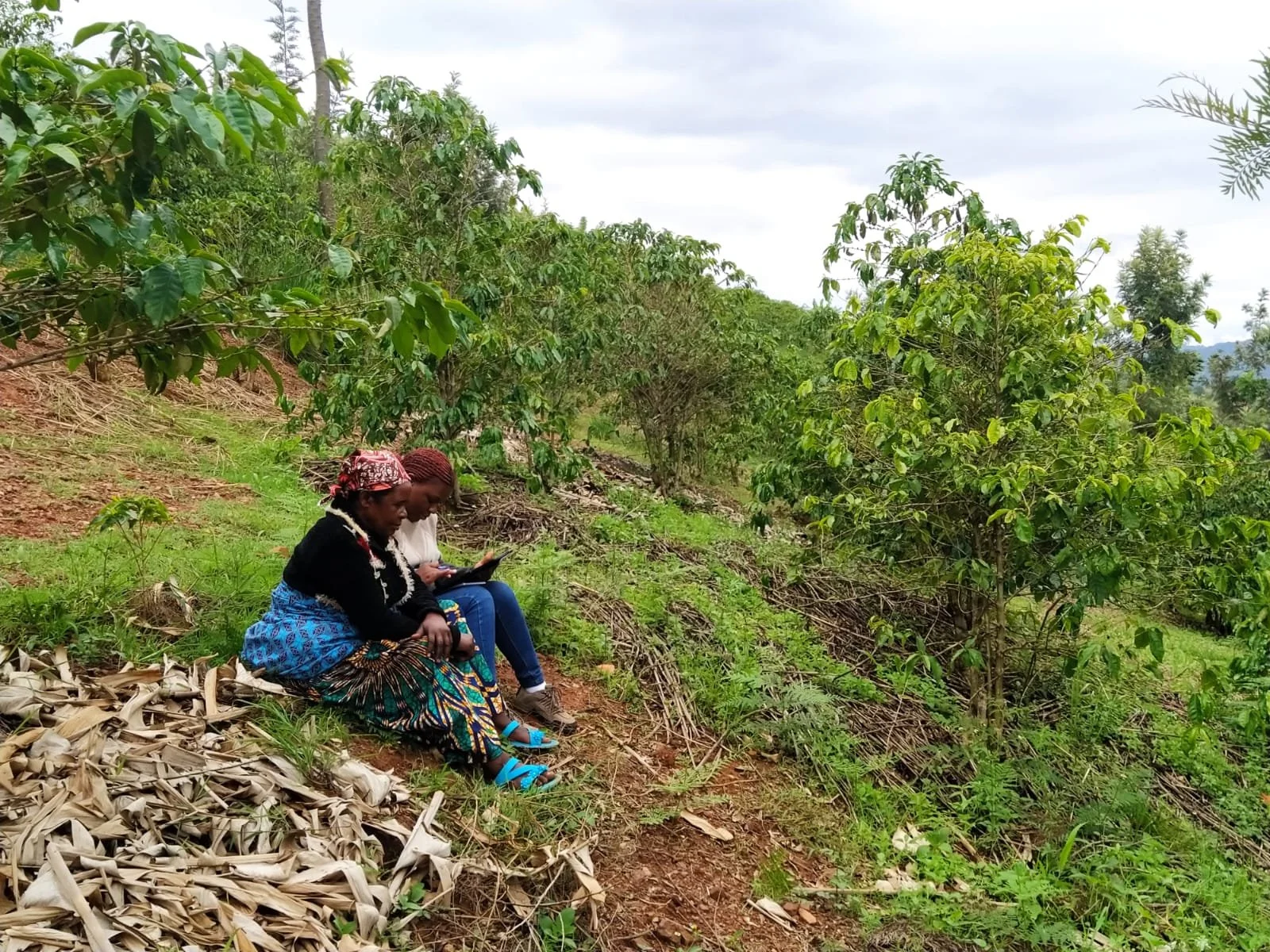
Between October and December 2024, I conducted fieldwork among coffee farmers in five districts of Rwanda. This was the second round of data collection for a household panel study, which now spans three rounds in total.
Our data collection combined several approaches:
a socio-economic survey of over 840 coffee-farming households;
semi-structured interviews with 12 farmers, offering in-depth insights into their experiences and decisions;
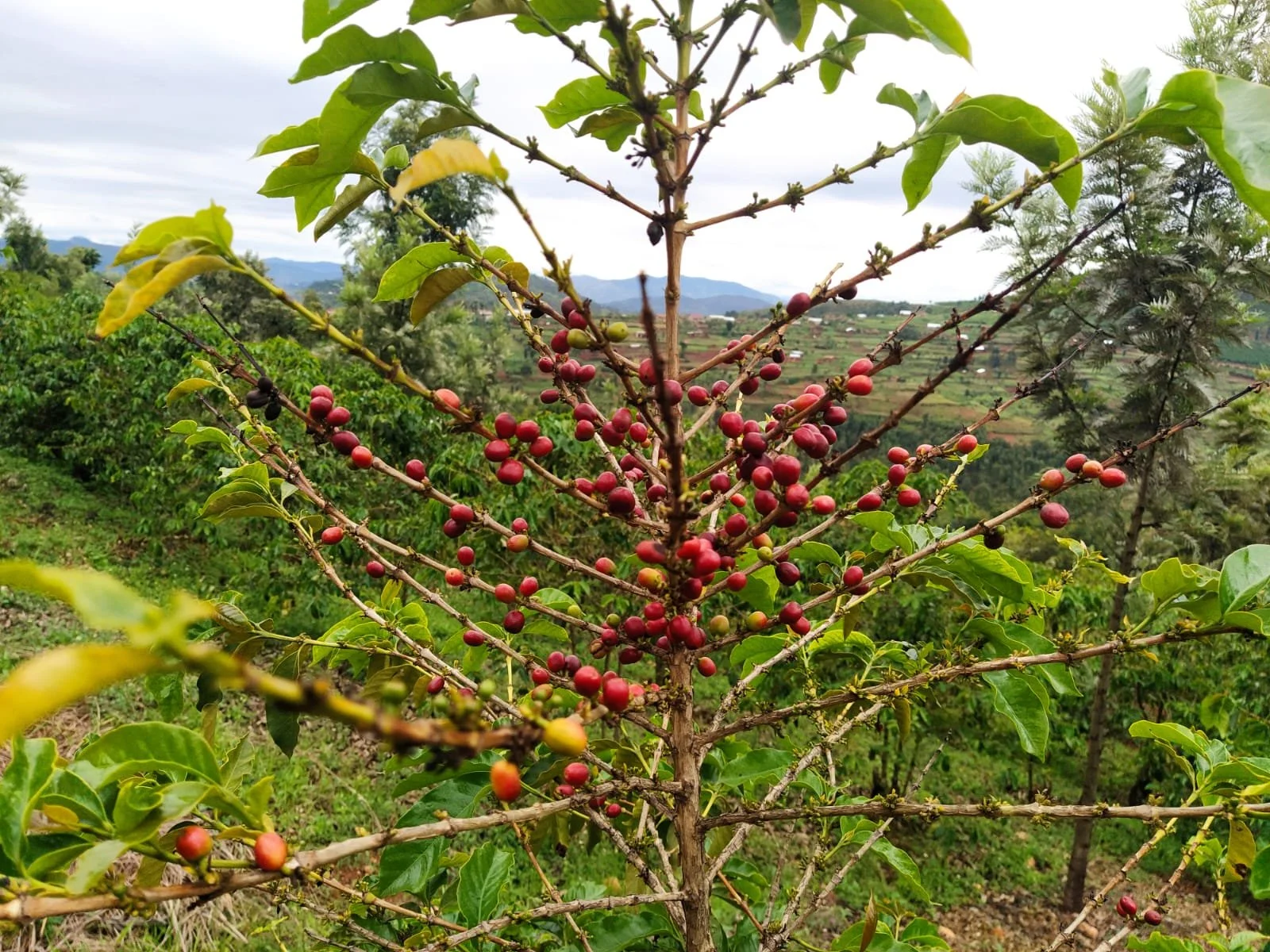
an ecological experiment across 101 coffee fields.
About the project
The project explores the role of voluntary sustainability standards (VSS) in improving the economic and environmental conditions of coffee farmers in Rwanda.
Agricultural commodities such as coffee are often linked to social and environmental harms, from deforestation and soil degradation to the marginalization of poor rural communities. In response, companies increasingly rely on VSS to improve practices along their supply chains. Yet evidence on their impacts remains limited: most studies examine a single standard, focus mainly on economic and environmental outcomes, and have largely overlooked Rwanda.
Current papers:
Squarcina, M. (2025). Exploring the Effects of Price Stabilization on Coffee Income Among Farmers in Rwanda: Does Certification Matter?. Sustainable Food Discussion Paper 30, University of Göttingen. DOI
Wollni, M., S. Bohn, C. Ocampo-Ariza, B. Paz, S. Santalucia, M. Squarcina, M. Wätzold (2025). Sustainability standards in agri-food value chains: impacts and trade-offs for smallholder farmers. Agricultural Economics 56, 373-389. DOI
Squarcina, M., Kaplan, L., Wollni,M. (in preparation). Farmer Responses to Market Liberalization: The Role of Cooperatives After the Repeal of Rwanda’s Coffee Zoning Policy. A Mixed-Methods Analysis.
Wätzold, M., Squarcina, M., Colen, L., Wollni, M. (in preparation). Market Competition in Rwanda‘s Coffee Supply Chain and the repeal of the zoning policy.
Paz, B., Squarcina, M., Wollni, M. (in preparation). Building resilient households among coffee farmers in Rwanda: The Role of Voluntary Sustainability Standards.